
AI Writing System
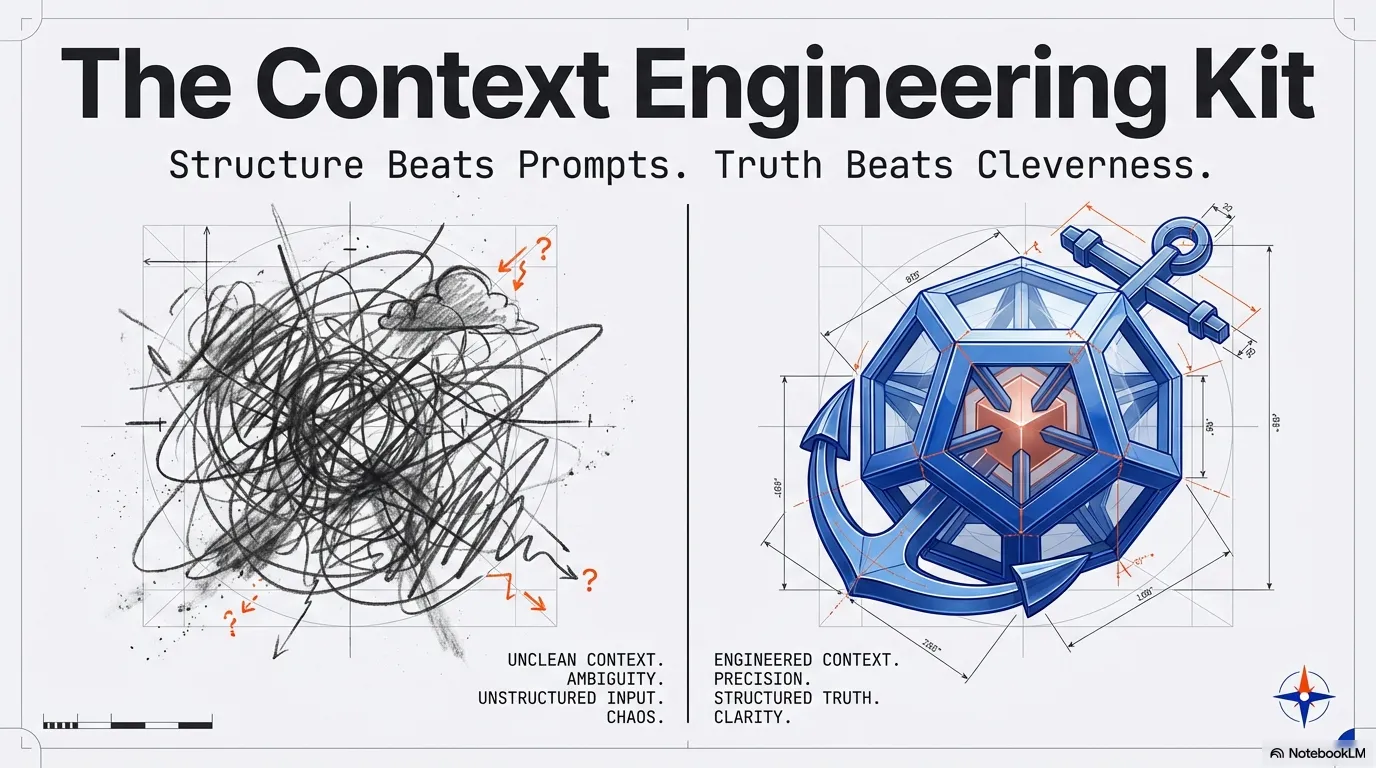
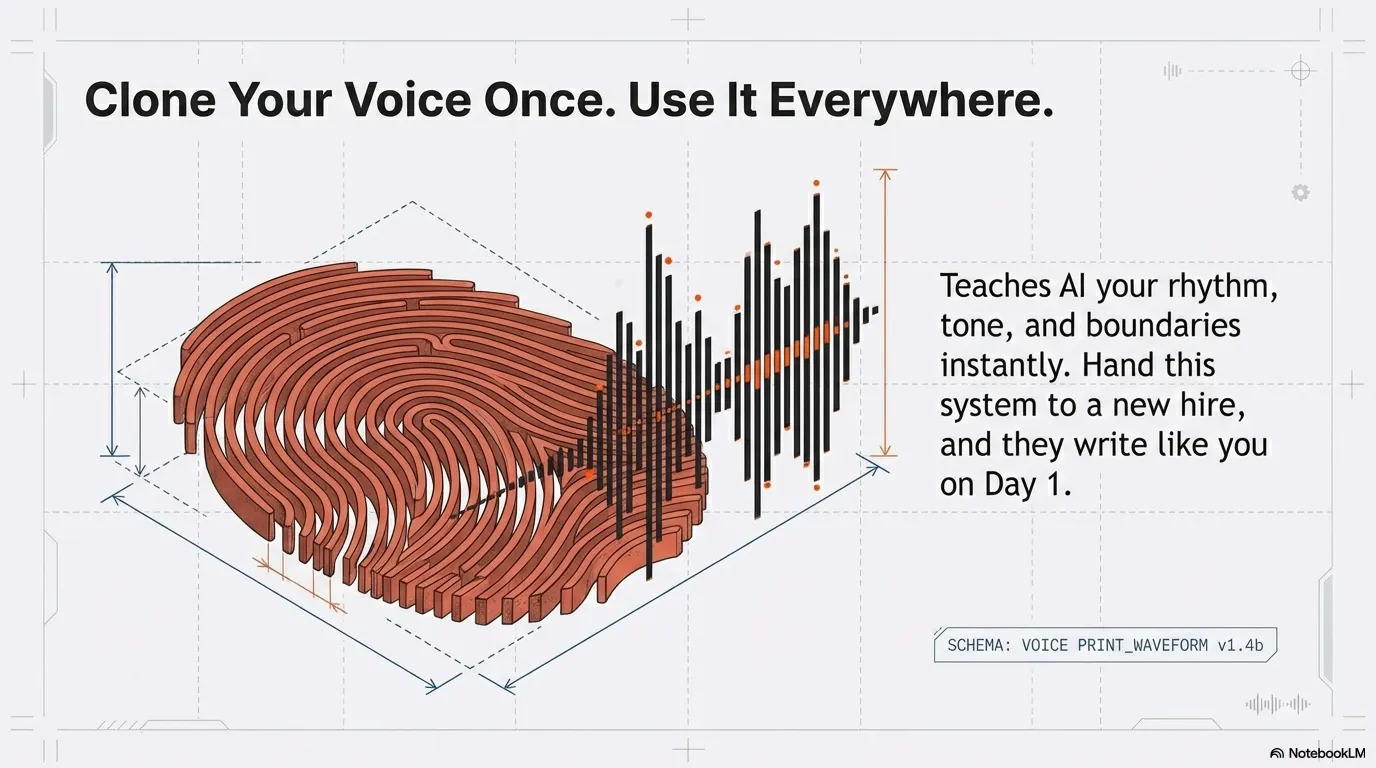
Clone your brand voice once — AI writes like you across every channel, no drift
Demo Video
The Problem
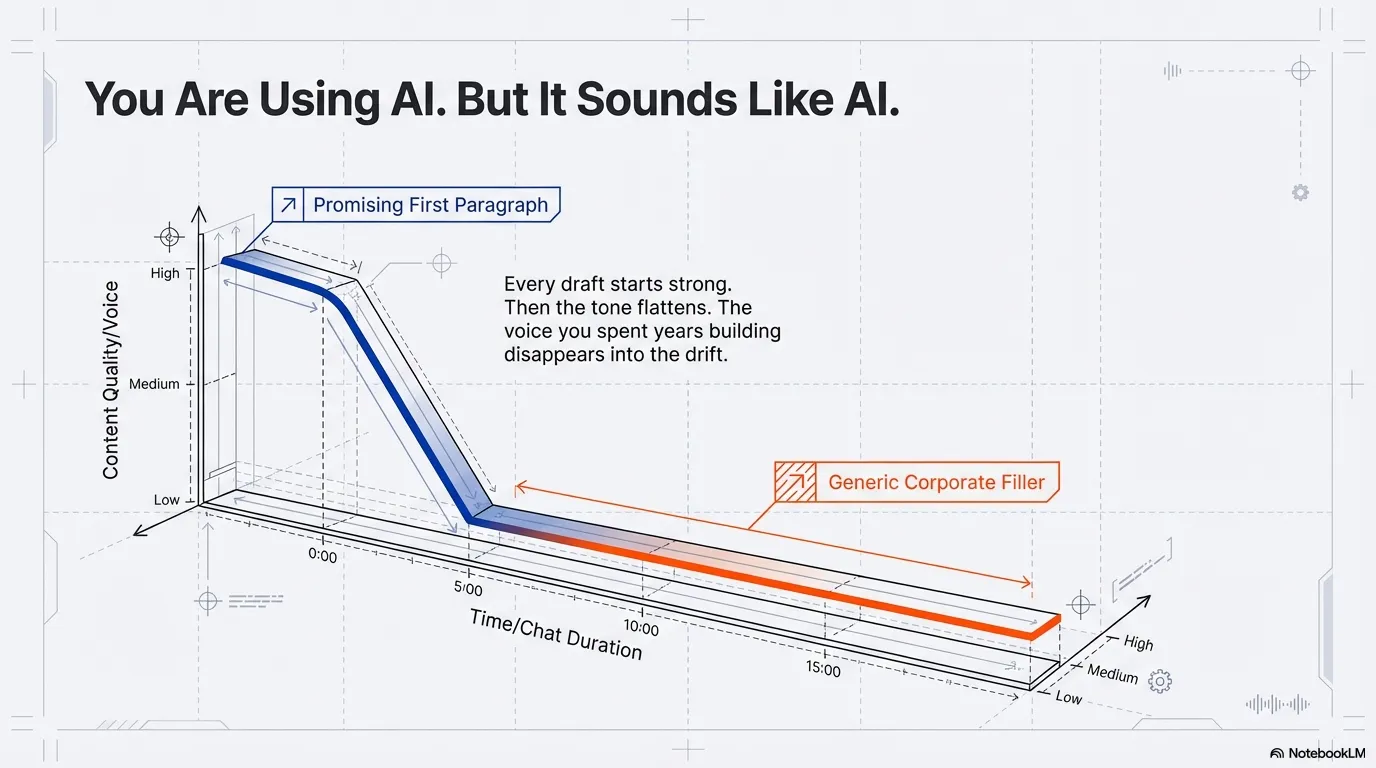
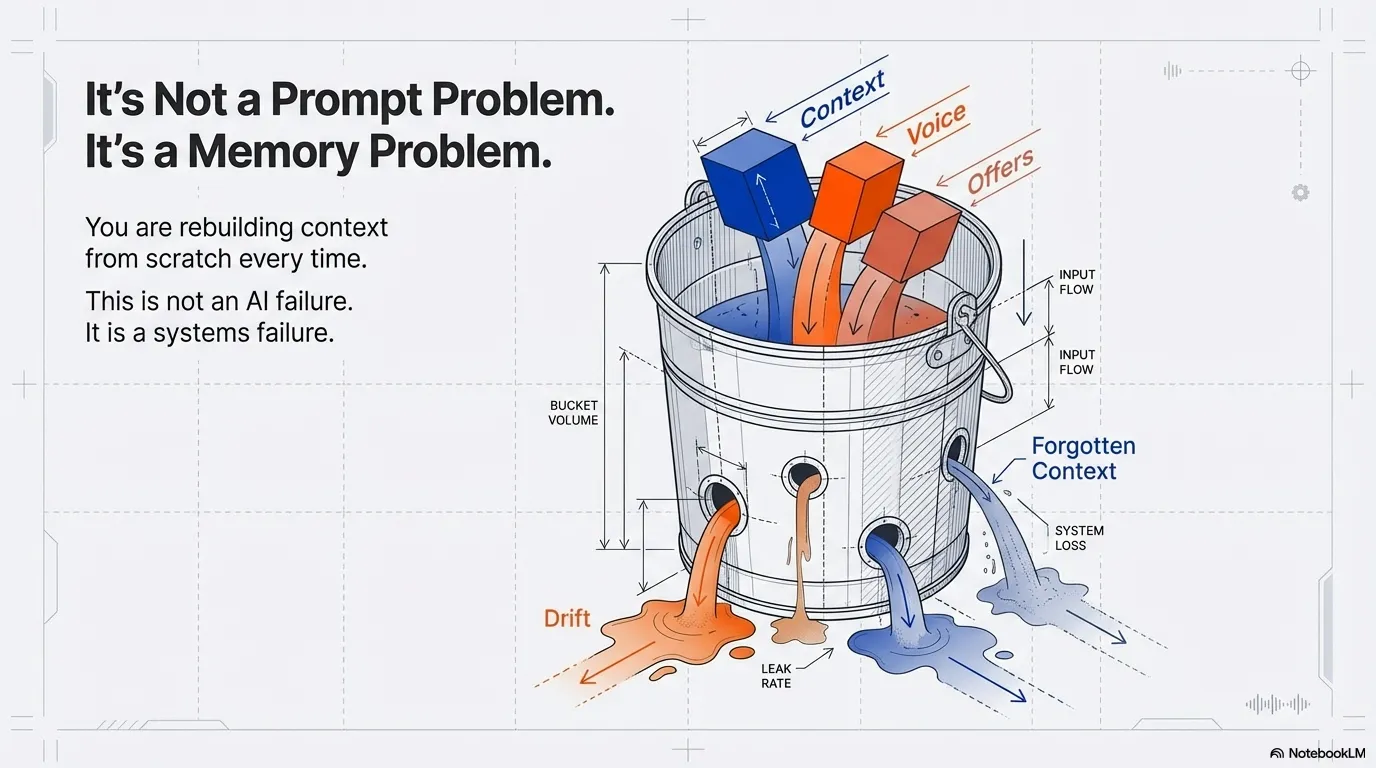
AI-generated content starts strong but drifts into generic corporate filler within minutes. Teams spend more time editing AI output than they saved generating it — killing hype, restoring voice, and fact-checking hallucinated claims. Every new chat session starts from zero because there's no persistent memory of who you are, what you sell, or what you're allowed to say.
The Solution
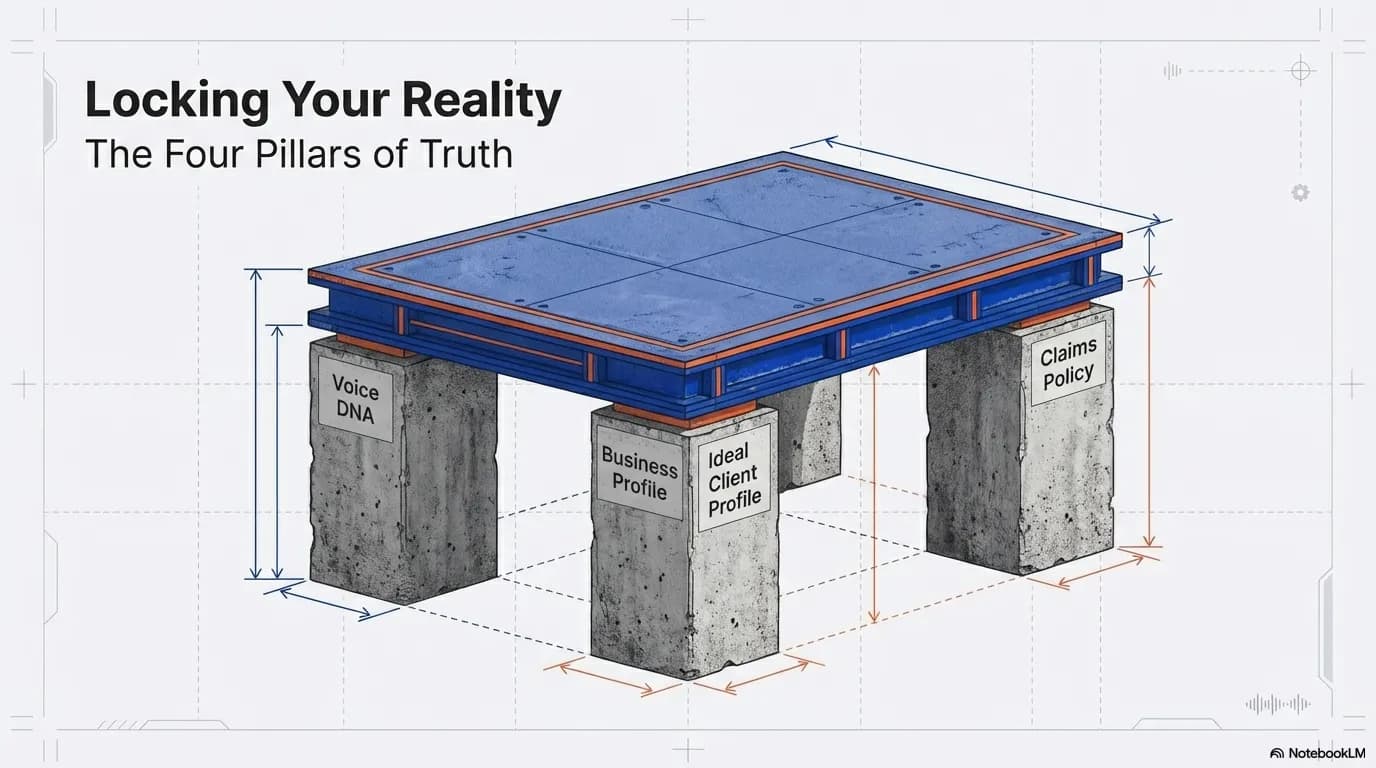
Four persistent JSON truth files lock your reality — voice DNA, business profile, ideal client, and claims policy — so the AI loads your context every time instead of rebuilding it from scratch. Each content type gets a dedicated skill file with structure and QA rules, while a strict priority stack keeps truth and claims above voice, audience, and format. A compounding knowledge base feeds your best examples and templates back into the system, and the whole framework is tool-agnostic across Claude, ChatGPT, Cursor, or any RAG system.
Key Features
- First drafts arrive ready for review, not rewriting
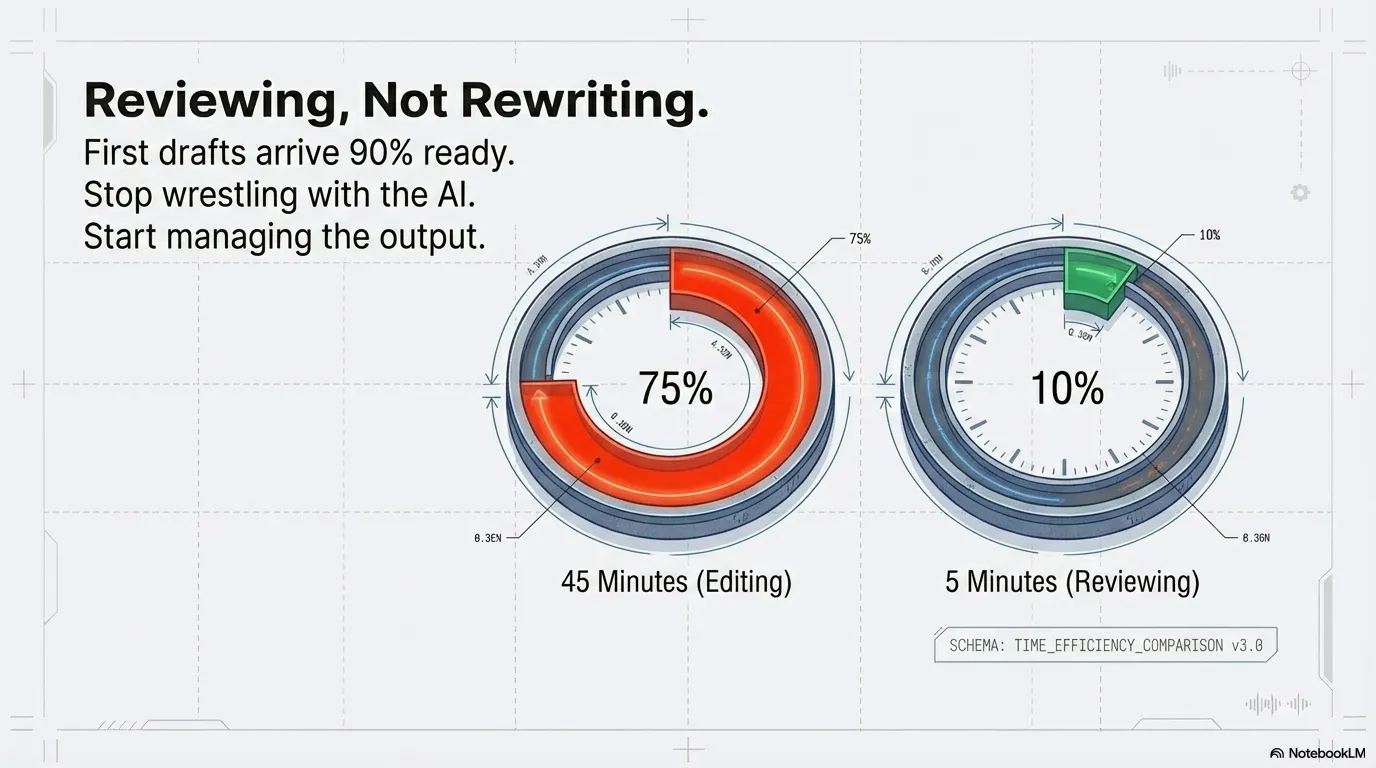
- Editing time reduced from 45 minutes to 5 minutes per asset
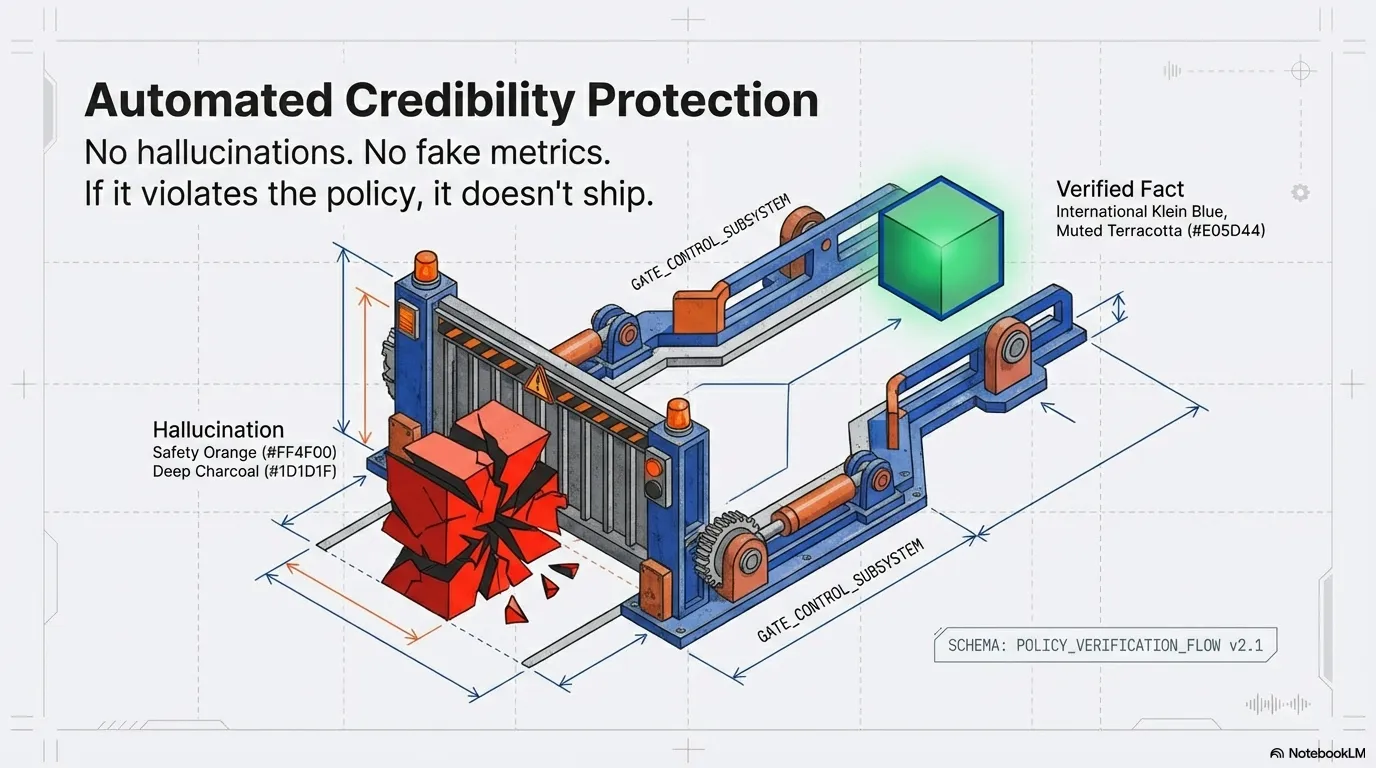
- Zero hallucinated claims — credibility enforced by policy
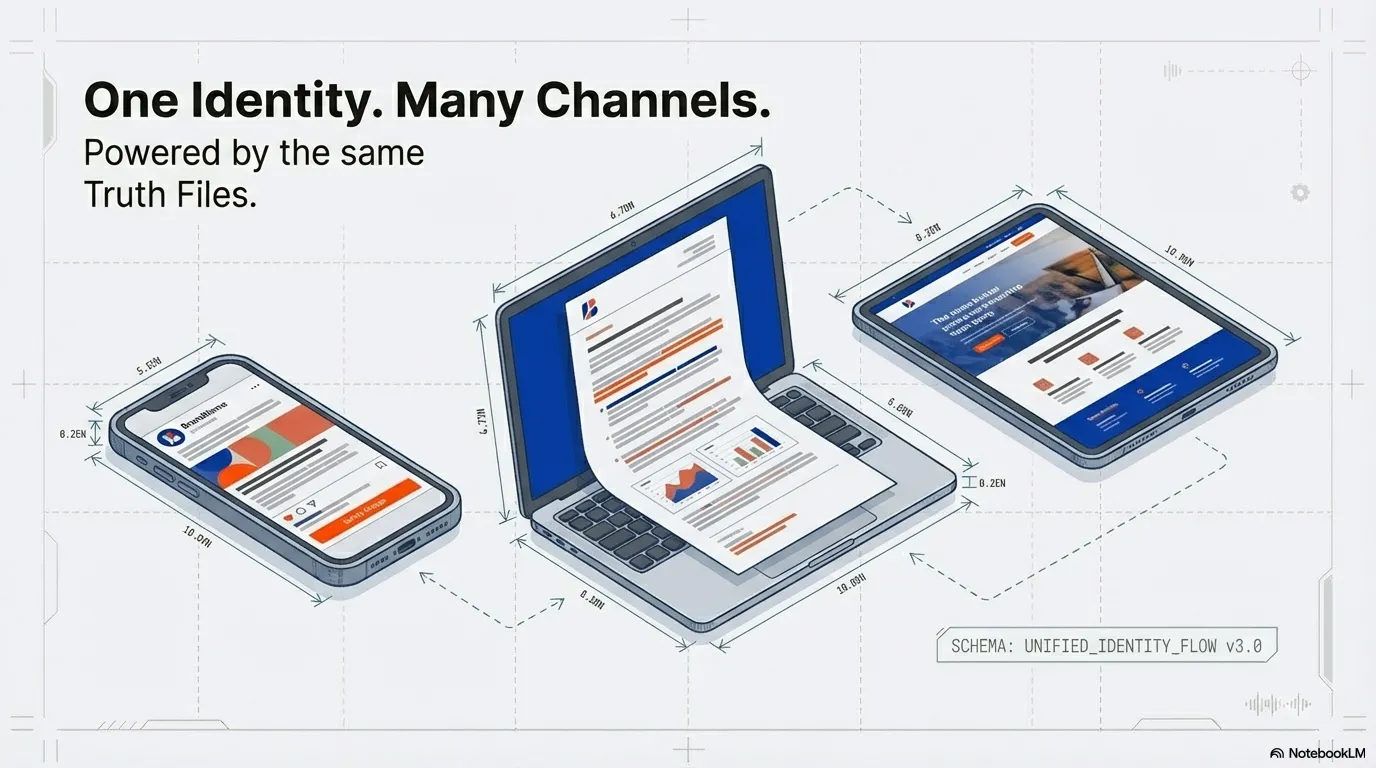
- One voice system powers every content channel
- Tool-agnostic — works with Claude, ChatGPT, Cursor, or any RAG system
Results
Overview
The AI Writing System is a structured framework that makes AI write like you instead of like AI. It stores your voice, audience profile, business facts, and claim rules in persistent JSON truth files. When you request any content type — landing page, cold email, LinkedIn post, sales deck — the AI loads these truth files plus format-specific skills to produce consistent, on-brand output without hallucinated claims or generic phrasing.
The system is built on four pillars of truth: Voice DNA (your tone, cadence, phrasing, and boundaries), Business Profile (offers, pricing logic, positioning), Ideal Client Profile (real pains, desires, objections), and Claims Policy (what can and cannot be stated). These files are loaded once and enforced across every piece of content the AI generates.
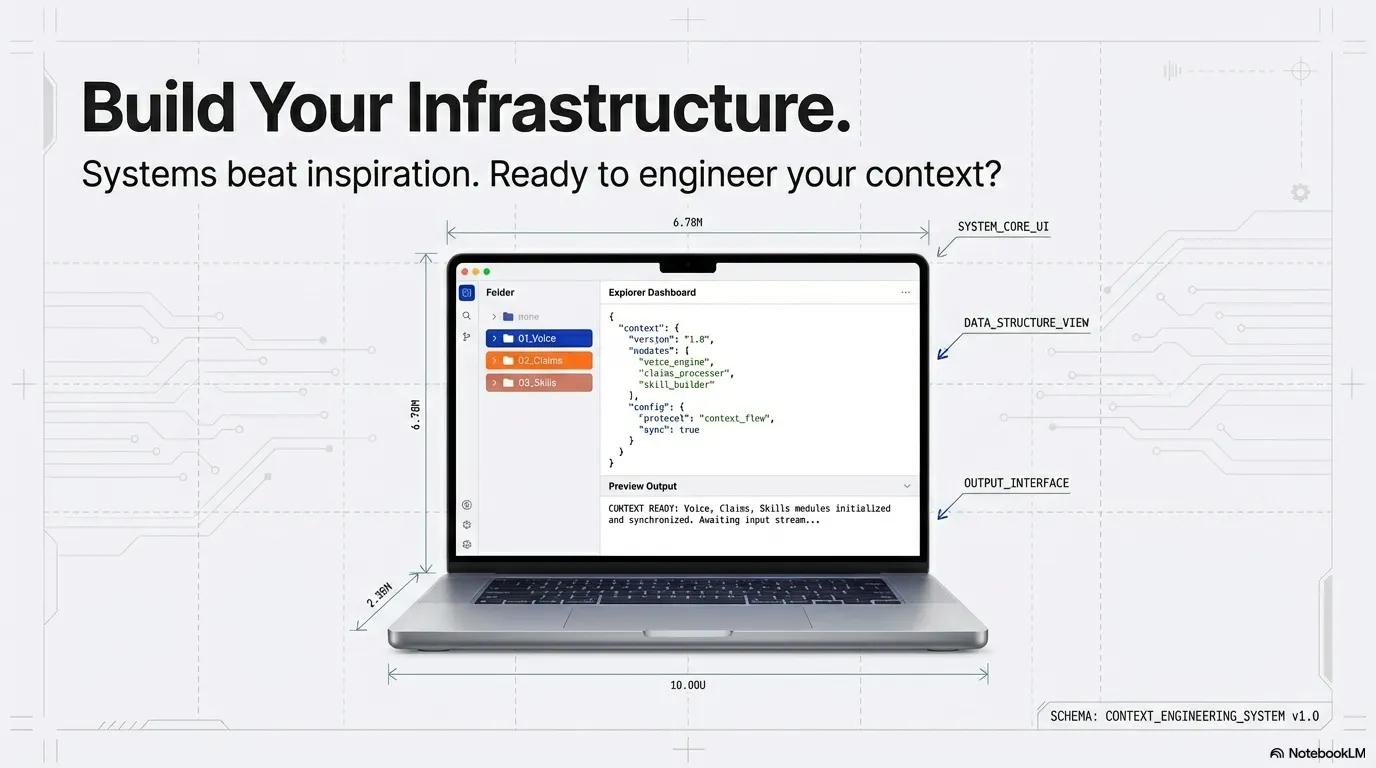
The Explorer UI is a static HTML/CSS/JS dashboard deployed on Vercel that lets you browse your entire writing system — context files, skills, knowledge base — with trust-level badges, file metadata, and markdown rendering. Production assets are minified via a lightweight build step.
The Challenge
- AI Drift: Content starts strong but flattens into generic corporate filler within minutes. Every chat session rebuilds context from scratch, losing your voice and facts.
- Hallucination Risk: AI invents metrics, fabricates testimonials, and makes claims your business can't back — destroying credibility if published unchecked.
- Manual QA Overhead: Teams spend more time editing AI output than they saved generating it, turning a productivity tool into an editing burden.
- No Persistent Memory: Prompt engineering is disposable. Instructions scattered across 47 chat tabs with no system to compound what works.
The Solution
Truth Files as Infrastructure: Four JSON files lock your reality — voice, business, audience, and claims. The AI loads them every time, so context is never rebuilt from scratch.
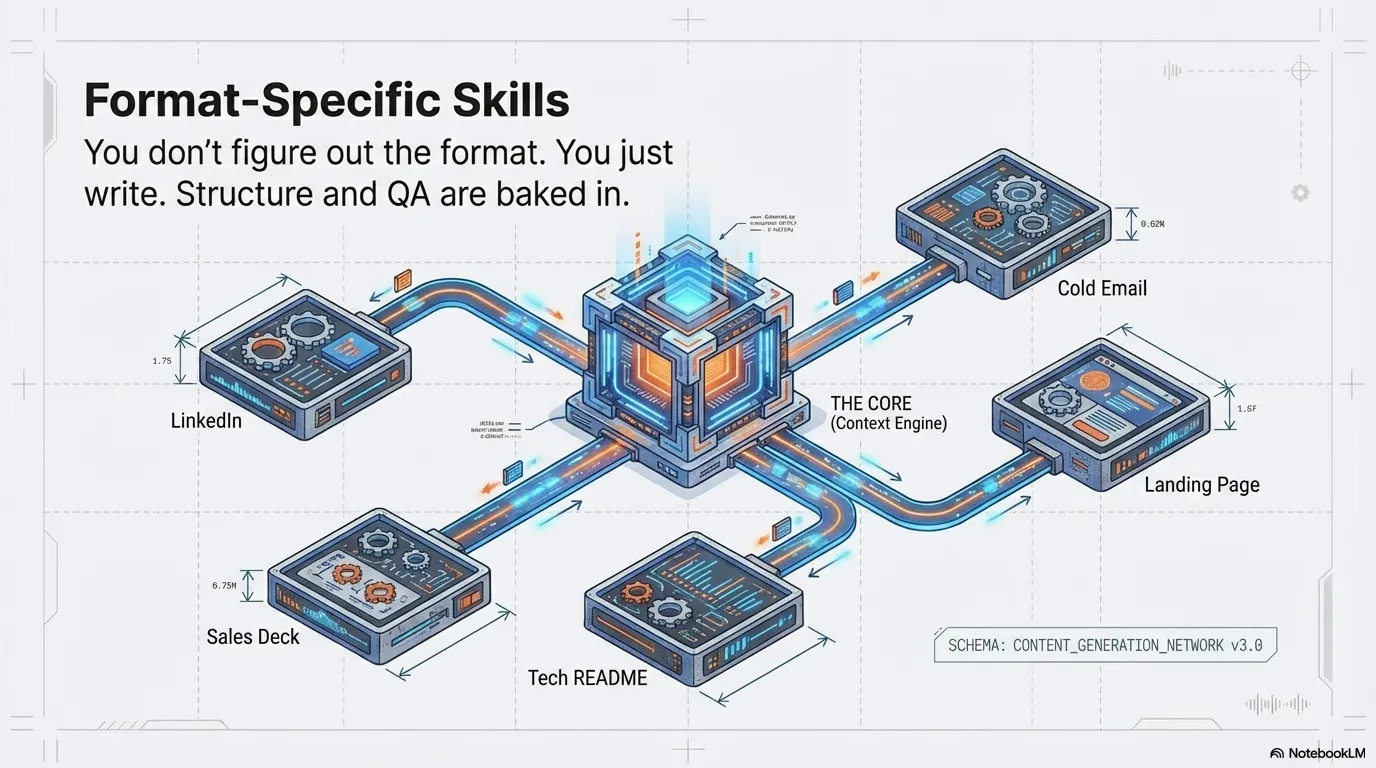
Format-Specific Skills: Each content type has a dedicated skill file with structure, inputs, QA rules, and constraints baked in. Voice and claims never live in skills — they come from truth files, ensuring consistency across formats.
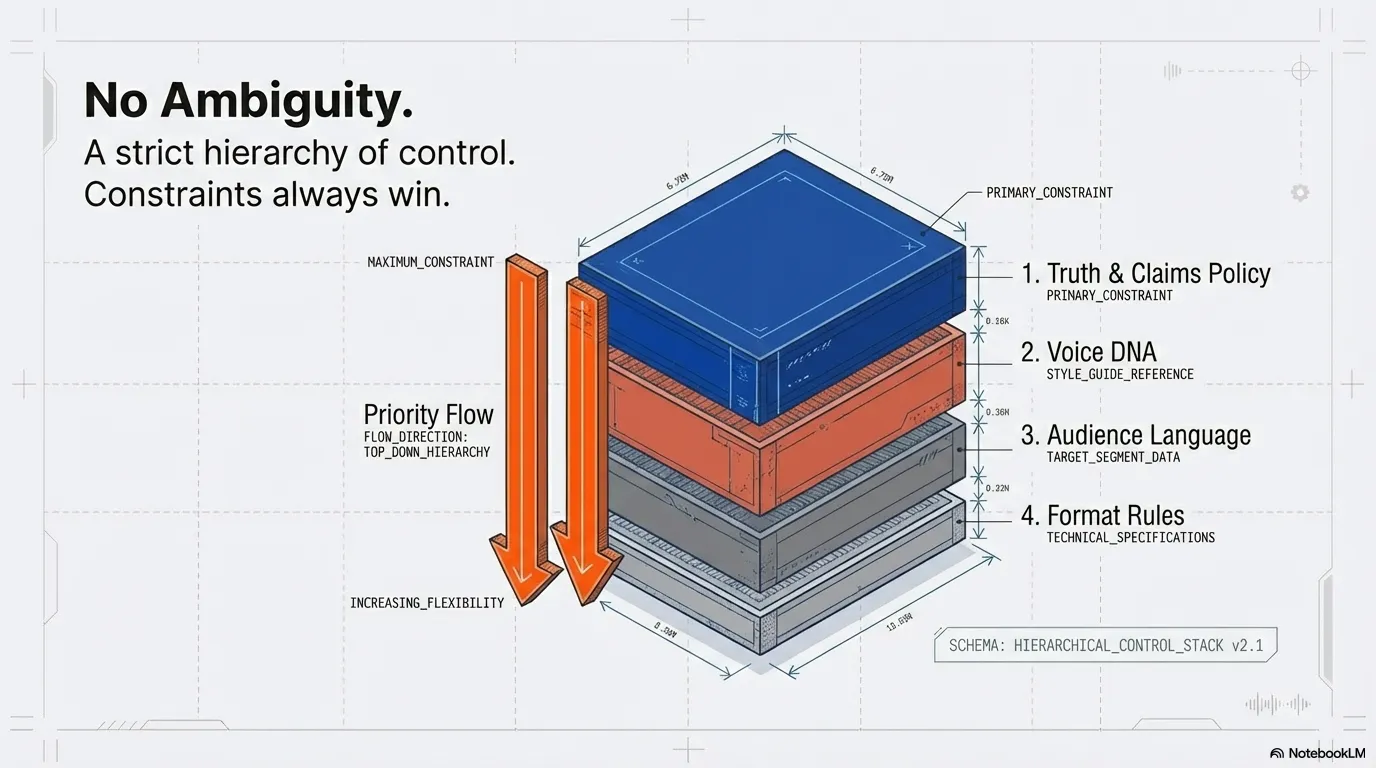
Hierarchical Control: A strict priority stack eliminates ambiguity. Truth and claims policy sit at the top, followed by voice DNA, audience language, and format rules. Constraints always win over flexibility.
Compounding Knowledge Base: Gold-standard examples, reusable templates, and proven CTAs feed back into the system. Your best work becomes fuel for the next asset.
Technical Highlights
- Structured JSON Context: Voice DNA, ICP, business profile, and claims policy stored as machine-readable JSON — not prose prompts
- Skill Architecture: One markdown file per content type with inputs, structure, QA checklist, and constraints — independently loadable
- Claims Policy Engine: Enforces what can and cannot be stated before content ships — blocks hallucinations at the system level
- Hierarchical Control Stack: Truth > Voice > Audience > Format — strict priority ordering eliminates conflicting instructions
- Static Explorer UI: Vanilla HTML/CSS/JS with markdown and JSON rendering, trust-level badges, and responsive design — minified build via terser + lightningcss
- Tool-Agnostic Design: Markdown + JSON works with Claude, ChatGPT, Cursor, Windsurf, or any RAG-capable system — no vendor lock-in
- Knowledge Compounding: Gold-standard examples and reusable templates stored as reference material, explicitly separated from canonical truth files
Results
For the End User:
- First drafts arrive ready for review instead of rewriting
- Editing time drops from 45 minutes to 5 minutes per asset
- Zero hallucinated claims — if it violates the policy, it doesn't ship
- One identity, consistent across every platform and content channel
Technical Demonstration:
- Context engineering as a discipline — structured JSON over ad-hoc prompts
- Hierarchical constraint systems that scale without drift
- Static frontend rendering of complex data structures with lightweight build tooling
- System design that compounds with use instead of degrading over time
Ready to discuss a similar solution?
Let's explore how AI automation can help your business.
Schedule a Consultation